


Your air conditioner has quit, your house is getting warmer by the minute, and the only thing you care about is what the AC repair costs.
Most AC repairs cost between $150 and $4,000, with the majority falling between $250 and $1,200. And it all depends on which component gave out. A failed capacitor and a failed compressor look nearly identical from your living room, but the final cost difference is huge.
At Husky Air, we’ve been diagnosing and repairing air conditioners across Toronto and the GTA since 1974.
If you haven’t called anyone yet, start with the table below. If you already have a quote and want to know whether it’s fair, skip to the five things worth checking.
Quick Answer: Typical AC Repair Costs in the GTA
| Repair Type | Typical Cost Range | Time on Site | How Common |
| Capacitor replacement | $150 to $500 | 30 to 60 minutes | Very common |
| Contactor replacement | $150 to $550 | 30 to 60 minutes | Common |
| Thermostat repair or replacement | $150 to $650 | 30 to 90 minutes | Common |
| Refrigerant leak diagnosis and repair | $300 to $2,800 | 1 to 3 hours, sometimes a second visit | Common |
| Refrigerant recharge | $250 to $1,400 | 1 to 2 hours | Common, and only after the leak is found |
| Condensate drain clearing | $100 to $400 | 30 to 60 minutes | Very common |
| Evaporator or condenser coil cleaning | $150 to $700 | 1 to 3 hours | Common, often handled at a tune-up |
| Blower or fan motor replacement | $350 to $1,800 | 1 to 3 hours | Moderately common |
| Frozen coil diagnosis | $150 to $650 | 1 hour, plus thawing time | Common in humid weather |
| Compressor replacement | $1,200 to $4,000 | 4 to 8 hours, occasionally two visits | Uncommon, and the priciest of the group |
| Diagnostic or service call fee | $100 to $250 | The visit itself | Every service call |
The cost ranges above cover parts and labour on a standard residential system during business hours. They exclude after-hours rates, permits, ductwork, and full replacements. Nobody can give you a firm number until a technician has diagnosed the fault, which is why every honest quote starts with an on-site diagnosis.
What Actually Drives Your AC Repair Bill
What Broke
This is the single largest variable influencing the final cost.
For example, a capacitor is a small cylinder that gives the motor the jolt it needs to start, and swapping one out is a routine job. Meanwhile, a compressor is the heart of an air conditioner, and replacing one is the most expensive repair on the list by a wide margin.
The challenge is that both failures look identical at first glance: the outdoor fan hums but won’t spin, or the system runs and never cools. A technician has to test the electrical parts to understand which component is the source of the problem, which is why a diagnosis comes before any price.
How Old Your System Is
Age raises your bill twice over because the parts for discontinued models cost more and take longer to source. Plus, a component failure on a 12-year-old system often hints that more issues are close behind.
Statistics Canada found that 80% of homes originally built in 2001 or later had an air conditioner, compared with 58% of homes built before 1960. This means that older GTA houses tend to have cooling retrofitted in homes with no ductwork, poor airflow, or drafty seals.
Installations in those homes are the likeliest to be improperly sized or overdue for replacement.
What Refrigerant It Uses
Refrigerant can turn an ordinary repair into a conversation about replacement.
If your system runs on R-22, used in most units installed before roughly 2010, expect to pay a premium. Canada prohibited the manufacture and import of products containing HCFCs like R-22 as of January 2020, so technicians can only service older units using stockpiled R-22 or recycled refrigerant. As a result, it’s priced high due to scarcity.
Newer systems use R-410A, which is also being scaled down as an HFC, while equipment sold today moves to lower global-warming refrigerants such as R-454B. Older refrigerant means a costlier leak repair and a stronger case for replacing your aging unit outright.
When You Call
A weekday morning in the spring is one of the cheapest times to have anything looked at. A Saturday night mid-heatwave is the most expensive, because after-hours labour costs more everywhere.
Ontario has the highest air conditioning rate in the country at 83% of households, so a heatwave in the GTA can cause many of those systems to fail on the same afternoon.
High repair demand increases wait times, and parts availability tightens. We run 24/7 emergency service with a real person answering the phone, so you’re not waiting until Monday when it can’t wait.
Whether It Is Under Warranty
Parts and labour are covered separately, and homeowners are constantly caught off guard by this.
Most manufacturers cover parts for five to ten years, often only if the unit was registered shortly after installation, while labour is typically covered for a year by the installer. This means that a warrantied compressor can still leave you a substantial labour bill.
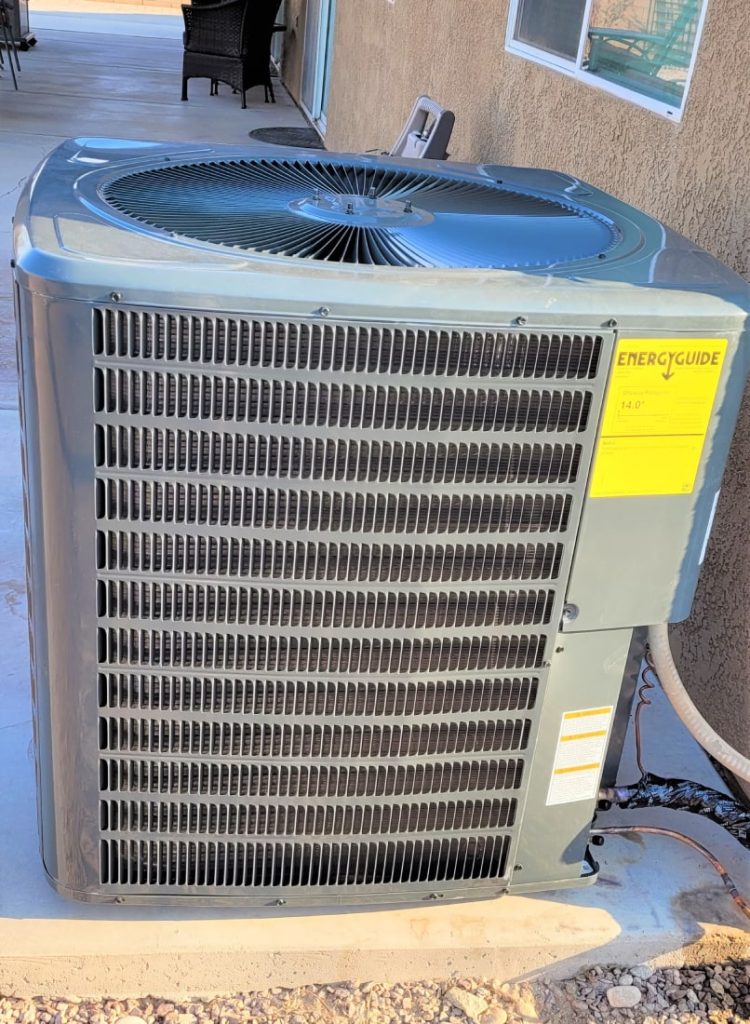
Before you call anyone, photograph the model and serial number on the data plate, which is normally on the outdoor unit. By sharing this during your quote request, we can check your coverage while you’re still on the phone and get you an accurate quote.
Who You Call
Credentials change the price and what you get for it. In Ontario, anyone handling refrigerant needs an Ozone Depletion Prevention certificate, which covers refrigerant only. Working on the actual cooling equipment requires a separate Certificate of Qualification in the trade.
Ask whether the person at your door holds both, whether the company carries liability insurance, and whether they’re staff or a subcontractor.
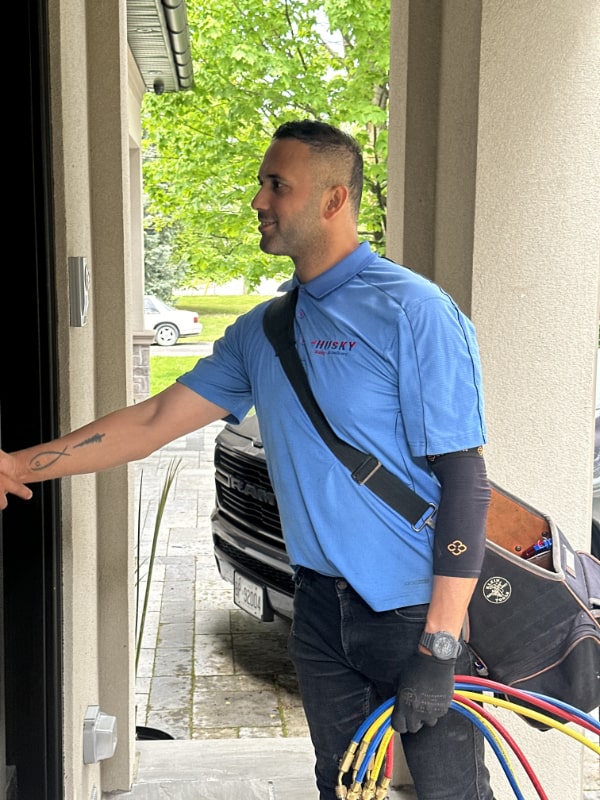
At Husky, we never use subcontractors. Whoever arrives for your repair is a NATE-certified member of our own team on every air conditioning call in Vaughan and the GTA.
Warning Signs That Cost You Money If You Ignore Them
Every one of these gets more expensive the longer you leave it.
- Warm air from the vents: Usually, this is a leak or a failed capacitor, and low refrigerant strains the compressor until it fails.
- Weak airflow: Usual culprits are a clogged filter, failing blower motor, or leaking ducts. Spending a few dollars per filter and replacing them regularly can help prevent a motor replacement later.
- Unfamiliar noises: Grinding or screeching is metal on metal, and a worn bearing caught early is a small repair rather than a seized motor.
- Ice on the lines or coil: This points to restricted airflow or low refrigerant, and running a frozen system risks liquid refrigerant reaching the compressor.
- Water pooling near the indoor unit: Normally, this is due to a blocked condensate drain. It’s one of the cheapest fixes there is, until the water reaches your floor and drywall.
- Short cycling: Your unit turns on and off every few minutes from a thermostat fault, low refrigerant, or an oversized system. Every single start shortens your compressor’s life.
- Burning or musty odours: Burning smells mean electrical trouble, so shut your unit off at the breaker. Musty typically means mould in your ducts or on the coil.
- An unexplained jump in your hydro bill: A dirty coil or a slow leak costs you in wasted electricity every month you wait.
Remember, a small repair caught in the spring is a fraction of the cost of a compressor replacement during a July heatwave.
Is Your AC Repair Quote Fair? Five Things to Check
Received a quote, but something seems off? Check these five things first.
- The quote is written and itemized before work starts, showing the diagnosis, parts, labour, and total.
- Parts are identified by number, so you can verify the pricing independently.
- Refrigerant isn’t topped up without a leak diagnosis, because refrigerant doesn’t get consumed, and a recharge with no leak search means paying again next season.
- The diagnostic fee is explained, including whether it’s credited or not toward the repair if you go ahead.
- Parts and labour warranty terms are in writing, including how long each covers and who honours them.
Want a second set of eyes? Send us your quote, and we’ll tell you whether it’s reasonable.
Repair or Replace Your AC? How to Run the Numbers
The 50 Percent Rule
At some point, your AC repair costs are better spent on a new air conditioner.
A great rule of thumb is that if the repair approaches half the cost of a new system, an outright replacement usually wins. Don’t forget to measure the quote in your hand against today’s replacement cost, not against what you paid a decade ago.
Age Multiplied by Repair Cost
Age is the other half of the equation. The same repair bill is a very different amount at year five than at year sixteen.
| Repair Needed | System Age | Repair Cost vs. a New System | Our Recommendation |
| Small electrical fault, system otherwise sound | 3 to 7 years | Under 10% | Repair. |
| Motor or coil work, cooling well otherwise | 8 to 12 years | 20 to 30% | Repair, but start budgeting for replacement. |
| Major component, second repair in two seasons | 12 to 15 years | 40 to 50% | Borderline. Get both numbers before deciding. |
| Compressor failure or a significant leak | 15 years or more | Over 50% | Replace. |
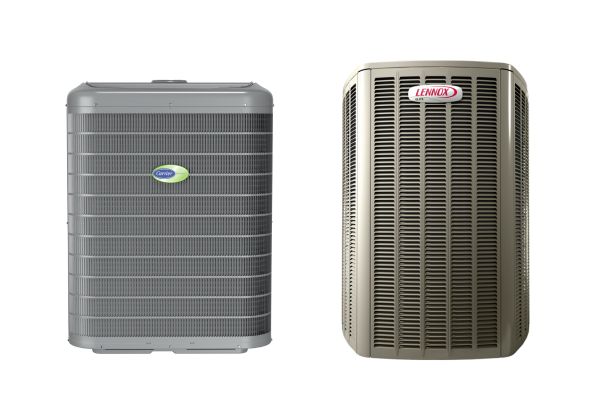
If you do replace, correct sizing matters more than brand. When you’re ready to buy in Toronto, we install both Carrier and Lennox across every tier: budget, value, and premium.
The R-22 Exception
If your system runs on R-22 and needs any significant repair, have the replacement conversation regardless of what the math says, because the refrigerant supply is decreasing and every subsequent leak will cost more.
When there’s no ductwork, ductless air conditioners cool specific rooms without extensive wall cutting.
What Ontario Rebates Change About the Math
If you’re set on a replacement, Ontario’s Home Renovation Savings Program offers up to $7,500 for a cold-climate air-source heat pump. Since a heat pump cools and heats your home from one system, it can be a great alternative to an air conditioner while also heating your home.
If you’re a Costco member, you can purchase through the Costco program for added benefits. We’ll confirm the rebates you qualify for before the install, so you maximize your savings.
How to Avoid the Next AC Repair Bill
Most of what we get called out for in July was preventable in April.
- Change your filter every 1 to 3 months to protect the blower motor and the coil.
- Book an annual spring tune-up, where coils get cleaned, pressures checked, and the drain cleared before any of it becomes an emergency.
- Keep two feet of clearance around the outdoor unit. A smothered condenser works harder for worse cooling.
- Act on small symptoms immediately. They’re much cheaper now than the expensive problems they can become.
Our maintenance and protection plans put the annual visit on the calendar for you, so it’s off your to-do list.
Get a Straight Answer on Your AC
AC repair costs depend on what component actually failed.
What we can promise you is a clear diagnosis, a quote in writing before we start any work, and our own NATE-certified and experienced technicians who treat your home with the respect it deserves.
REQUEST A FREE QUOTE ON YOUR AC REPAIR
Or call us 24/7 and talk to a real person:
- Emergency: 905-761-9485
- Regular line: 416-665-3666
- Toll free: 1-877-429-9929
Holding another company’s quote? Send it to us, and we’ll tell you honestly whether it’s fair.