


If you live in the GTA, you already know how brutal summer humidity can get. That heavy, sticky air doesn’t just stay outside; it seeps into your home, making it feel clammy, uncomfortable, and harder to cool.
If you’re already dealing with persistent humidity, your best long-term solution may be a whole-home dehumidifier or a professional AC diagnostic to ensure your system is pulling its weight on moisture removal.
High indoor humidity isn’t just about comfort. Once levels climb above 50%, they create the perfect environment for mould growth, musty odours, condensation on windows, and even long-term damage to drywall and wood.
According to Health Canada, the ideal indoor relative humidity in the summer is below 50%, with the optimal range between 35% and 50%. This range keeps your home comfortable, protects your air quality, and prevents moisture-related damage.
If your home feels damp right now, here’s how to reduce indoor humidity, starting with quick fixes and working toward permanent solutions.
Quick DIY Ways to Lower Humidity in Your House
Before calling a professional, there are a few simple ways to reduce humidity in your home during summer.
These can help, but if they don’t make a noticeable difference within a few days, the issue is likely tied to your HVAC system.
Run Your Exhaust Fans Longer
Your bathroom and kitchen exhaust fans are your first line of defence.
Most people shut them off the moment they step out of the shower or finish cooking. Keep them running for 15 to 20 minutes afterward. That extra time allows residual moisture to clear before it spreads through your home.
Take Slightly Cooler Showers
Long, hot showers pump steam directly into your home’s air. You do not need to switch to cold water. Just dialing the temperature down a few degrees makes a noticeable difference, especially in a small bathroom with limited ventilation.
Fix Leaking Pipes & Faucets
Every drip adds moisture. Look for stained drywall, wet spots under sinks, and unexplained spikes in your water bill. Wrap exposed cold-water pipes with foam insulation to prevent condensation from forming on their surfaces.
Improve Ventilation
If the weather permits, crack a window in the room that feels the most humid, but only when the outdoor humidity is lower than the indoor humidity. On a hot, muggy July afternoon in Toronto, opening your windows will make things worse, not better.
Relocate Indoor Plants Temporarily
Houseplants release moisture through transpiration. If you have a lot of greenery, group it in a single well-ventilated room, or move your plants outside for the summer.
Dry Laundry Outdoors
Hanging wet clothes on an indoor drying rack adds a surprising amount of moisture to your air. A backyard clothesline or outdoor drying rack keeps that moisture where it belongs. Check your local bylaws first, as some neighbourhoods have restrictions.
How Your Central AC Acts as a Dehumidifier
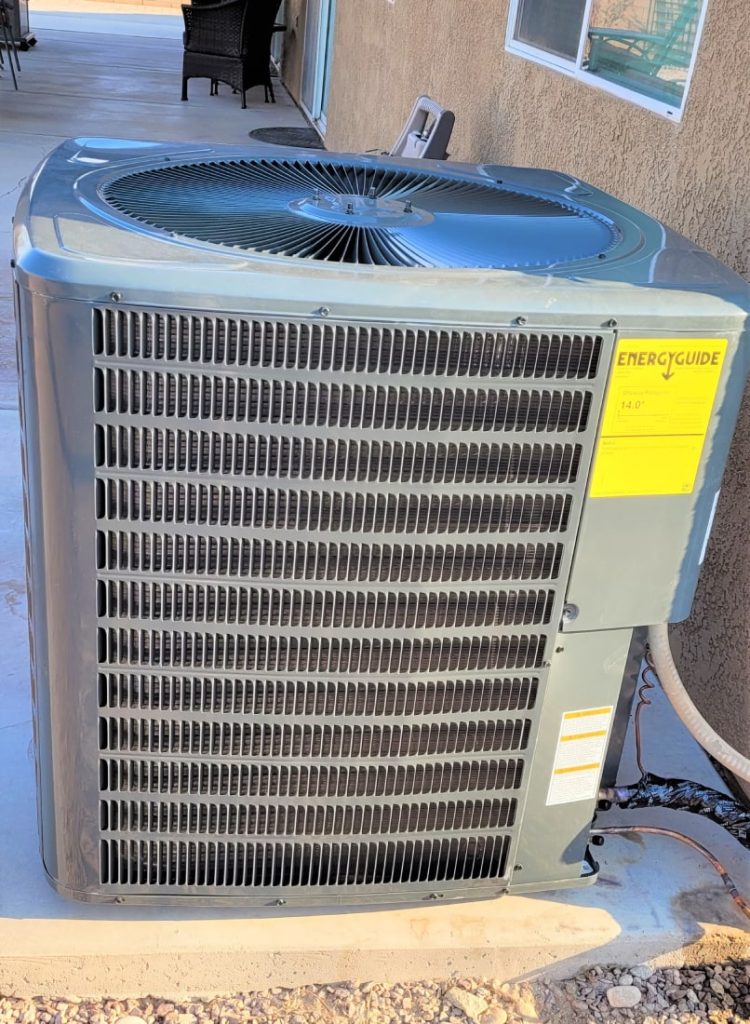
Your air conditioner doesn’t just cool your home; it also removes moisture.
As warm air passes over your AC’s evaporator coil, moisture condenses and drains away. A properly sized and functioning system should remove a significant amount of humidity during summer.
That is why regular air conditioner maintenance matters. A dirty filter, low refrigerant, or a clogged condensate drain all reduce your system’s ability to pull moisture from the air.
If your AC is running constantly but your home still feels humid, you are likely paying higher energy bills because your system is not removing moisture properly.
The most common causes include:
Oversized AC Unit
An oversized system cools your home too quickly, shutting off before it has time to remove moisture. This leads to short cycling and a cold, clammy feeling.
Aging Equipment
Older systems lose efficiency over time. They may still cool the air, but struggle to manage humidity, especially during peak summer conditions.
Low Refrigerant or Maintenance Issues
Low refrigerant, dirty coils, or clogged drains reduce your system’s ability to dehumidify effectively.
These issues don’t just affect comfort; they increase wear and tear, reduce system lifespan, and drive up your cooling costs.
If this sounds familiar, a professional AC diagnostic or tune-up can often restore your system’s dehumidification performance without needing a full replacement.
The Ultimate Solution: Whole-Home Dehumidifiers & HRVs

While DIY fixes help at the margins, your AC handles most of the heavy lifting. If you live in a home where humidity is a persistent, year-after-year battle, especially in your basement, the real answer is a whole-home dehumidifier.
Portable Dehumidifiers vs. Whole-Home Systems
Most people start with a portable dehumidifier from the hardware store. These work in a single room but are noisy, require constant emptying, and do nothing for the rest of the house.
A whole-home dehumidifier is a completely different solution. It ties directly into your existing HVAC ductwork and treats the air throughout your entire home.
These units install beside your furnace or air handler, pull moisture from the air as it circulates, and drain automatically. You set your target humidity on the control, and the system maintains itself.
However, the benefits of a dehumidifier go beyond comfort. Homeowners often find they can raise their thermostat’s cooling (AC) setting by a few degrees and still feel just as comfortable. Since the air is drier, it feels cooler, meaning that your air conditioner doesn’t need to run as often, leading to lower energy bills.
Heat Recovery Ventilators (HRVs)
A heat recovery ventilator (HRV) is another tool worth considering, especially in newer, tightly sealed homes.
HRVs bring in fresh outdoor air and remove stale indoor air, while recovering heat energy in the process. During the transitional periods (spring and fall), when the AC is not running enough to dehumidify, an HRV helps manage moisture by exchanging humid indoor air for drier outdoor air.
For homes with serious humidity problems, the best approach is often a whole-home dehumidifier working alongside an HRV and a properly maintained AC system.
Frequently Asked Questions
What is the ideal indoor humidity for a house in summer?
Health Canada recommends keeping indoor relative humidity below 50% in summer, with an optimal range of 35-50%. Above 50%, you are creating conditions where mould, dust mites, and condensation can become problems. A simple hygrometer from your local hardware store will tell you exactly where your home stands.
Will running the AC fan “ON” instead of “AUTO” increase humidity?
Yes. When set to AUTO, the fan only runs during cooling cycles, allowing moisture on the coil to drain away. When set to ON, it runs continuously and can blow that moisture back into your home. For better humidity control, keep it on AUTO.
Why does my basement smell musty even with the AC on?
Cool basement air cannot hold as much moisture as warmer upstairs air, so relative humidity tends to be higher down there, even when the rest of the house feels fine. Add in concrete walls that absorb ground moisture, and you have a recipe for that musty smell. A whole-home or dedicated basement dehumidifier is usually the best fix.
How much does a whole-home dehumidifier cost installed?
Installed costs for a whole-home dehumidifier typically range from about $1,500 to $3,500, depending on the unit’s capacity, your existing ductwork, and the complexity of the installation. Contact Husky Air for a free, no-obligation quote.
Is a dehumidifier better than an air conditioner for cooling a room?
They do different jobs. An air conditioner lowers the temperature of the air, while a dehumidifier removes moisture from the air. However, because dry air feels cooler than humid air at the same temperature, running a dehumidifier alongside your AC can make your home feel more comfortable without lowering the thermostat.
Is Your Home Too Humid? Get a Quote on a Whole-Home Dehumidifier or AC Tune-Up.
If you have tried the DIY fixes and your home still feels sticky, it is time to bring in a professional. We have been helping Toronto homeowners feel cool, dry, and comfortable all summer long since 1974.
Whether you need an AC diagnostic and repair, a whole-home dehumidifier installation, or advice on the best equipment combination for your home, Husky Air’s NATE-certified technicians can help.
Request a free quote today. You can also call us at 905-761-9485 or 416-665-3666.
I Want a Cool, Happy Summer